NC High Fidelity Wraparound Training Program
Promoting Teamwork with Youth & Family
Who We Are
We support the growth of HFW teams across North Carolina.
NC HFWTP is funded by the NC Department of Health and Human Services and operates out of the UNC Greensboro Center for Youth, Family, and Community Partnerships.

Meet Our Team
Our implementation specialists credential coaches and their team members in the HFW model. Once coaches are credentialed, implementation specialists shift to a monitoring role.
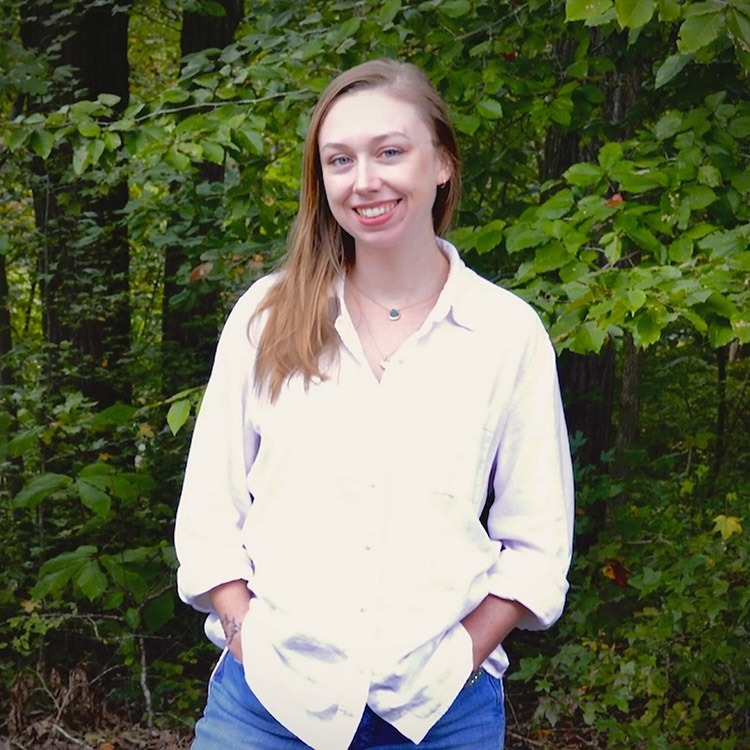
Amanda Rhodes
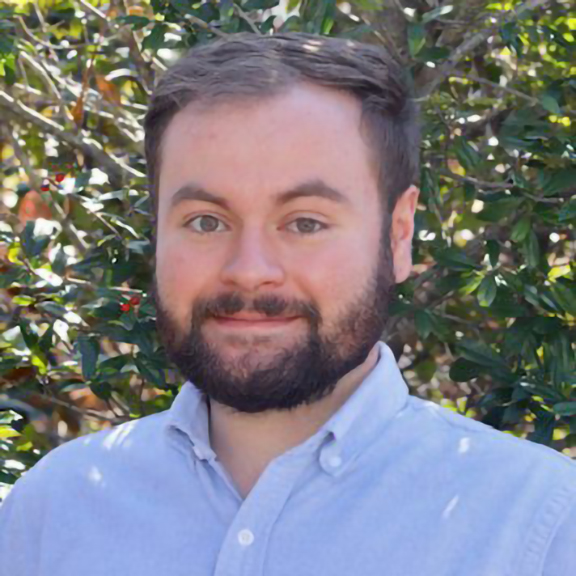
Carter Landwehrmann
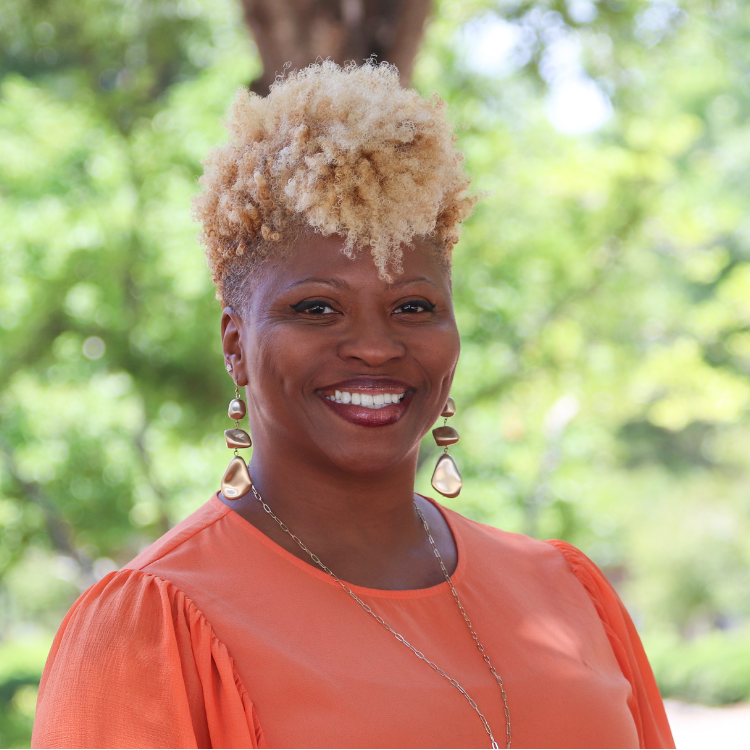
Deborah Moore
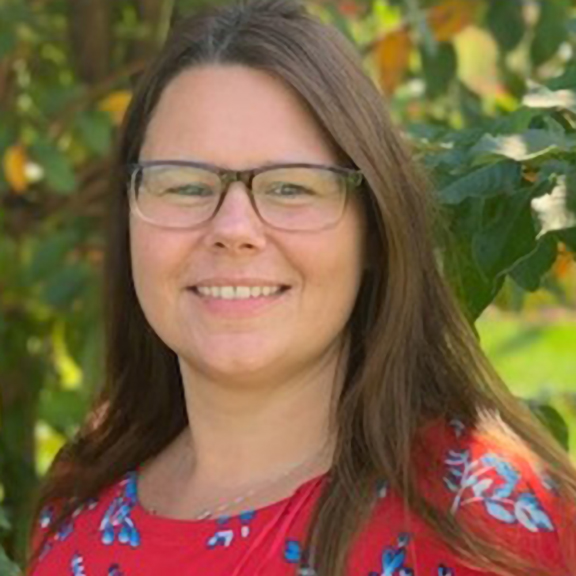
Erica Velez
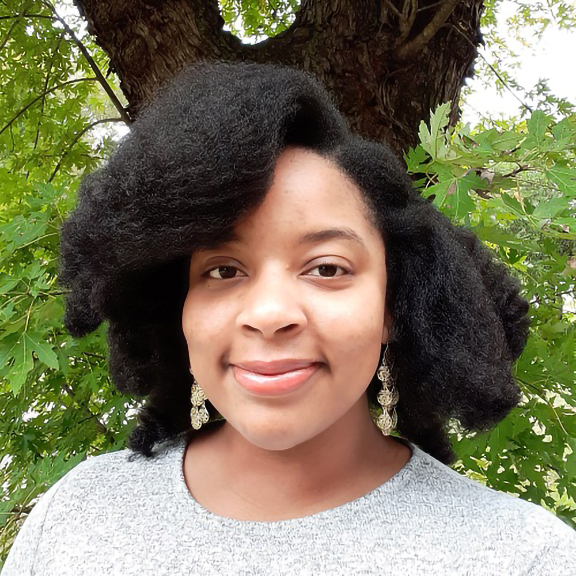
Jessica Attucks
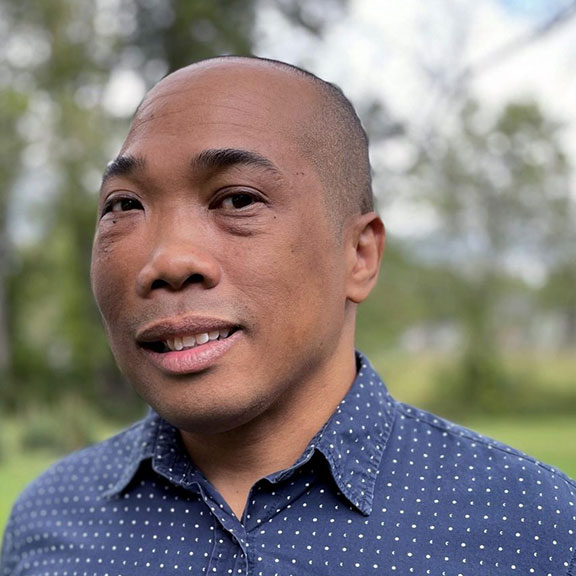
Paul Bright

Rachael Landau
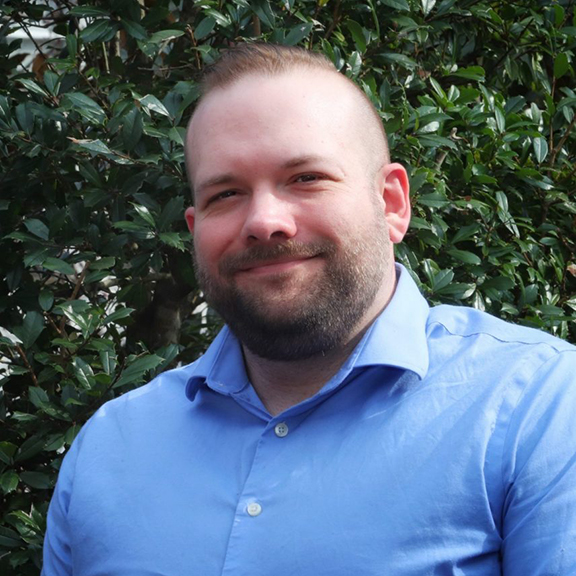
Rodney Absher
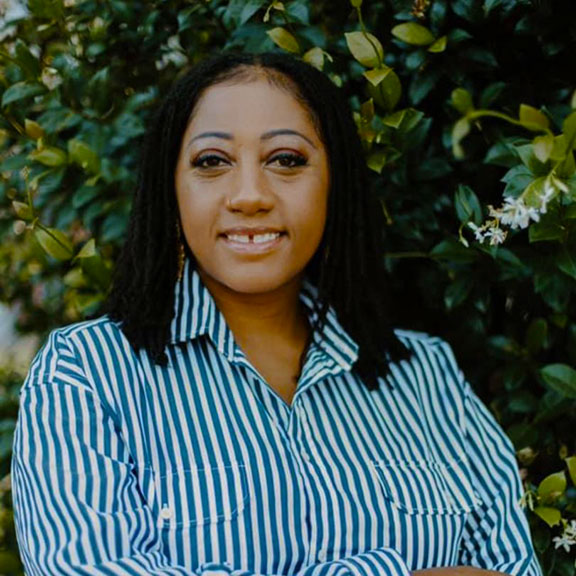
Sabrina Shivar

Sara Stephenson

Sherrell House

Sonya Taylor

Tara Ward
Our Purpose
Mission
The mission of the North Carolina High Fidelity Wraparound Training Program is to provide ongoing training, technical assistance, coaching, and advocacy for communities offering High Fidelity Wraparound care coordination throughout North Carolina. We achieve this mission in two key ways:
- By promoting teamwork and collaborating with State and local partner organizations, and supporting local HFW teams to offer families effective, individualized processes that empower youth and families to reach their potential.
- By supporting the development and expansion of HFW teams across the state to ensure the sustainability of the model for youth and families now and in the future.
Vision
The vision of the NC High Fidelity Wraparound Training Program is for the High Fidelity Wraparound Model to be implemented across North Carolina so that youth and families feel supported and empowered to overcome challenges, develop resilience, and have access to family-driven, strength-based care coordination.
NC Department of Health & Human Services support
The NC DHHS’ Division of Mental Health, Developmental Disabilities, and Substance Abuse Services contracts with UNCG to support with statewide implementation of the HFW model, and the growth of HFW teams.
History of HFW in North Carolina
The journey from advocacy to comprehensive care coordination
Bason Press Conference
March 1979District Judge George F. Bason challenged lawyers to sue him as a representative of the state for not providing institutionalized children and youth with mental illness the education and care they were entitled to under state and federal law. As a juvenile court judge, Bason had seen the same children revolve in and out of his court, compelling him to draw public attention to the problem.
Willie M. Lawsuit Settled
September 1979Seven lawyers filed a class action lawsuit on behalf of four clients, including Willie M. The settlement mandated a comprehensive program of physical, mental, social, and educational services in the least restrictive setting possible, individualized for each child. This became known as the System of Care model.
System of Care Expansion
1990s-2007Through SAMHSA and System of Care grants, the state saw expanding efforts to meet child mental health needs. Key developments included:
- North Carolina Families United - Established as the state family organization
- NC State Collaborative - Developed to improve outcomes for children, youth, and families
- Integration of System of Care philosophy within NC's Division of Mental Health
NC HFW Pilot Program
2015-2016NC DMH/DD/SAS received a four-year System of Care Expansion Grant, partnering with local management entities to pilot High Fidelity Wraparound. The pilot targeted 50 NC youth (ages 3-20) transitioning from psychiatric residential treatment facilities to community-based settings.
Tiered Care Coordination Project
2017-The Governor's Task Force funded this project, which connected youth and families involved in child welfare and juvenile justice to behavioral health services. HFW formed the third tier, providing intensive care coordination for youth with the highest level of need.
NC HFW Training Program Established
2019-The NC Department of Health and Human Services announces that NC HFWTP, housed at UNC Greensboro, is the official training, credentialing, and monitoring organization for HFW teams in North Carolina. This marks the beginning of our current comprehensive support system.